One Factbird line at 80 Acres Farms built enough proof that teams are now asking for more.
A modern food producer, run like a modern factory
80 Acres Farms is part of a new generation of food producers that grow fresh produce indoors, year-round, and get it onto grocery shelves within days of harvest. They're less a farm in the traditional sense and more a production operation: controlled conditions, packed schedules, and lines that need to run reliably to hit demand.
That's the part that matters here. Once produce leaves the field behind, it moves through the same kind of packing and processing lines you'd find in any plant, and it runs into the same kind of problem. And for several of 80 Acres's sites, those lines were running on instinct instead of information.
A production floor with no memory
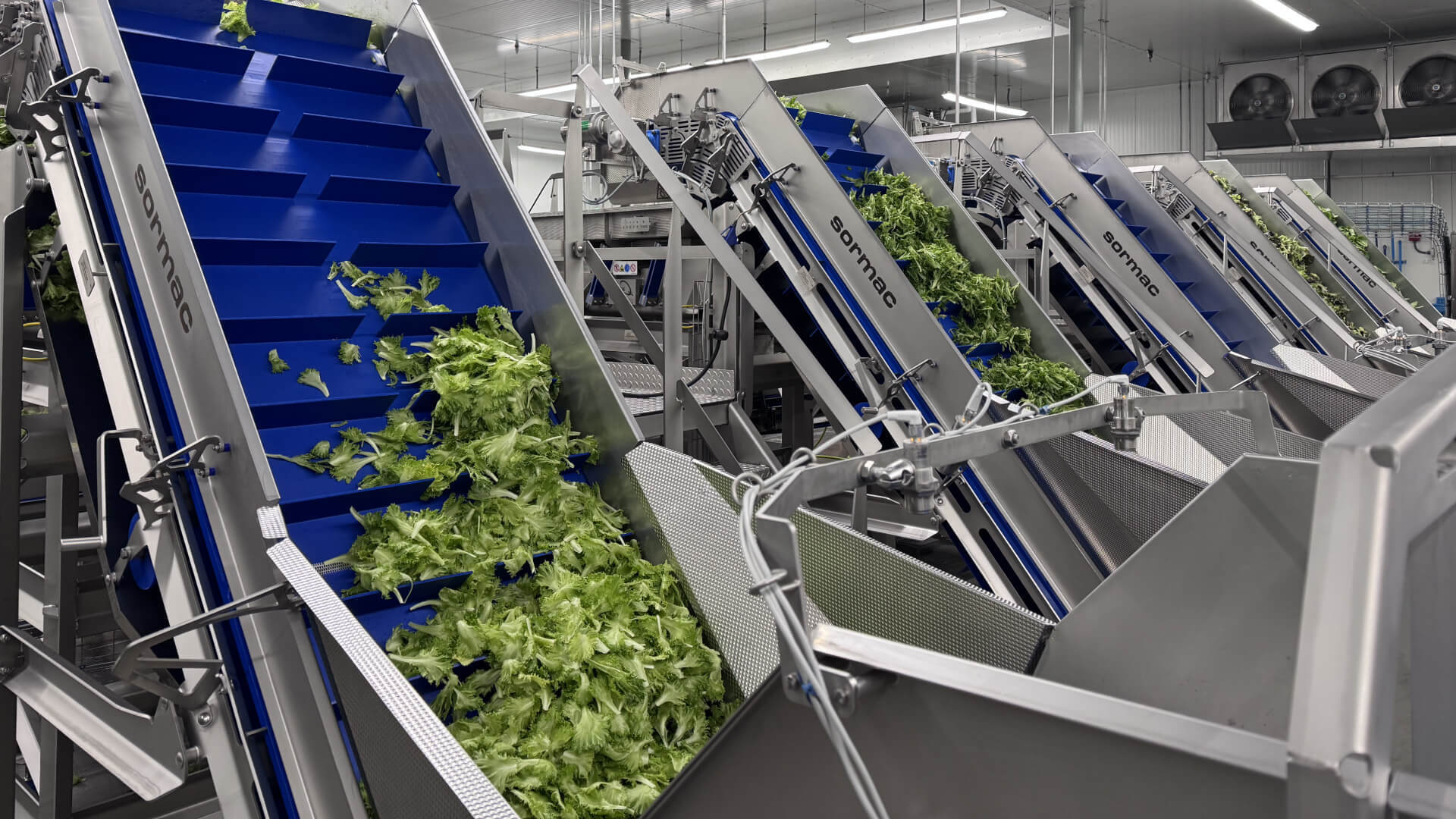
Indoor farming looks like agriculture, but it runs like a factory. Produce moves through packing and processing lines that need to hit throughput targets, and any stop costs real time and real product. The trouble was, 80 Acres Farms had no reliable way to see what was actually happening on those lines while it was happening.
Downtime was tracked the way a lot of manufacturers still track it: on paper. A line would stop, and someone would eventually get around to writing down why, if they wrote it down at all. Short stops, the kind that eat minutes rather than hours, almost never made it onto a sheet. Filling one out took real time away from the job of running the line, so it was often skipped, and even when it wasn't, the record it left behind said more about who happened to have a moment to write something than about what actually went wrong.

Alex Tombelli, Lead CI Specialist, put it plainly:
"So what we were looking at was an uphill battle to mediocre-at-best data. That was the problem we were trying to solve before Factbird was here." – Alex
The lines also behaved differently from one another. Several were manually paced, meaning the speed of the work depended entirely on the team running it that day. Without a consistent, real-time record, there was no way to tell whether a slow shift was a bad day or the new normal, and no shared language for operators and leadership to talk about performance at all. What 80 Acres Farms needed wasn't more paperwork. They needed a way to collect downtime codes, machine rates, and throughput automatically, in a form both the floor and the front office could trust.
Up and running before the week was out
80 Acres Farms didn't need a long, drawn-out rollout, and they didn't need to suffer through one. Once the team confirmed which sensors were already on the machines, Factbird shipped the missing hardware, a properly matched splitter, and it arrived within 48 hours.
"Getting it up and running looked like, first of all, it looked like everything I hoped it would. It was very easy." – Alex
That speed set the tone, but it wasn't the point. The real shift started once the data began flowing and people on the floor started using it.
From subjective opinions to objective truths
Once Factbird was capturing downtime, machine rates, and throughput automatically, 80 Acres Farms had something they were missing: a consistent, trustworthy record of what was happening on the line, available in real time rather than reconstructed after the fact. For manually driven lines especially, that meant operators could finally see their own pace reflected back to them as it happened, rather than guessing at how the shift was going.
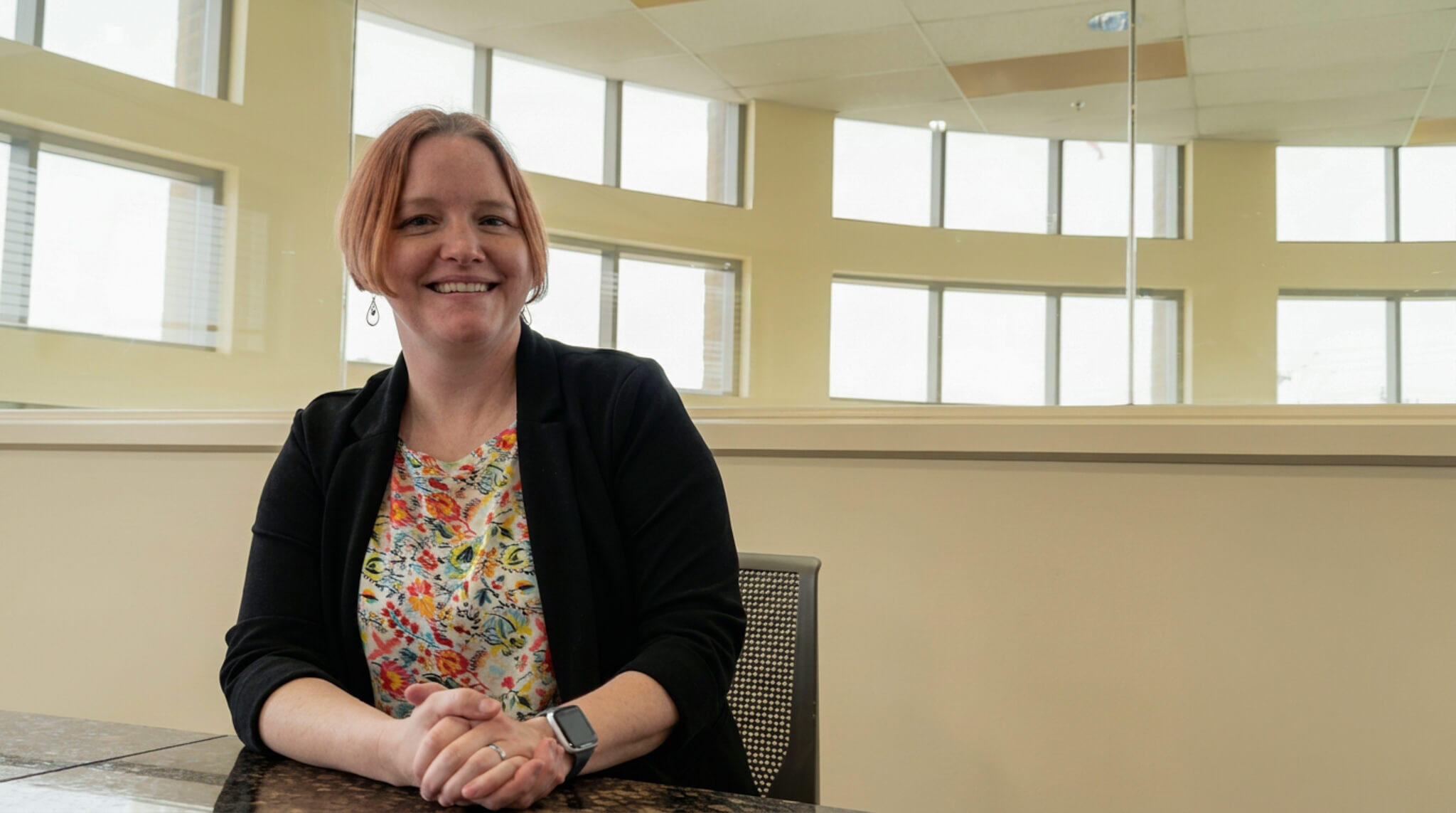
Maggie Parker, Director of CI, saw how this impacted how decisions got made:
"It wasn't just subjective of what's going on the line, but actual data, so we can make data-driven decision making." – Maggie
That distinction, subjective versus objective, is how Maggie describes the single biggest change Factbird brought to the floor. Decisions that used to rest on a supervisor's read of the day now rest on a number everyone can see and agree on.
Getting a skeptical floor to actually use it
A new system only pays off if the people running the lines actually use it, and 80 Acres Farms leaned on two things to make that happen. The first was visibility: putting monitors directly on the floor so operators could watch their own downtime entries land in real time and see the results of their own work reflected back immediately, instead of trusting that the data went somewhere useful. The second was language. Several of 80 Acres's sites run bilingual teams, and Factbird's Spanish-language support turned out to matter as much as the hardware itself.
"The biggest thing that helped with adoption was getting monitors out on the floor. We also have a few of our sites here that are bilingual, so the Spanish translation was a huge help for those sites to get the adoption for those teams as well." – Maggie
Between the two, adoption stopped being a compliance exercise and started being something operators bought into on their own.
What's changed, and what's next
The clearest sign that Factbird stuck is what 80 Acres's teams are asking for now. Having real data has raised the bar for what people expect to see, and that appetite is spreading well beyond the original rollout.
"We have lots of people asking when we can get another Factbird line put in place. There's just a desire for more, which is exciting. We're already starting to prove the concept, and the operations teams continue to want more and more of it." – Maggie
Closing thought
80 Acres Farms didn't need a complicated system. They needed its production lines to start telling the truth in real time, in a form both the floor and the front office could agree on. A fast install and a screen on the floor did that part. The bigger change, a plant culture that runs on facts instead of guesses, followed from there.
"Well, I mean, we're winning." – Alex