Eine einzige Factbird-Linie bei 80 Acres Farms hat so überzeugt, dass die Teams jetzt mehr davon wollen.
Ein moderner Lebensmittelproduzent, geführt wie eine moderne Fabrik
80 Acres Farms gehört zu einer neuen Generation von Lebensmittelproduzenten, die frisches Obst und Gemüse ganzjährig in Innenräumen anbauen und es wenige Tage nach der Ernte in die Supermarktregale bringen. Das Unternehmen ist weniger ein Bauernhof im klassischen Sinn als ein Produktionsbetrieb: kontrollierte Bedingungen, dichte Zeitpläne und Linien, die zuverlässig laufen müssen, um die Nachfrage zu decken.
Genau darauf kommt es hier an. Nach der Ernte durchläuft die Ware dieselben Verpackungs- und Verarbeitungslinien, die man in jedem Werk findet, und stößt auf dieselben Probleme. An mehreren Standorten von 80 Acres liefen diese Linien nach Bauchgefühl statt auf Basis von Informationen.
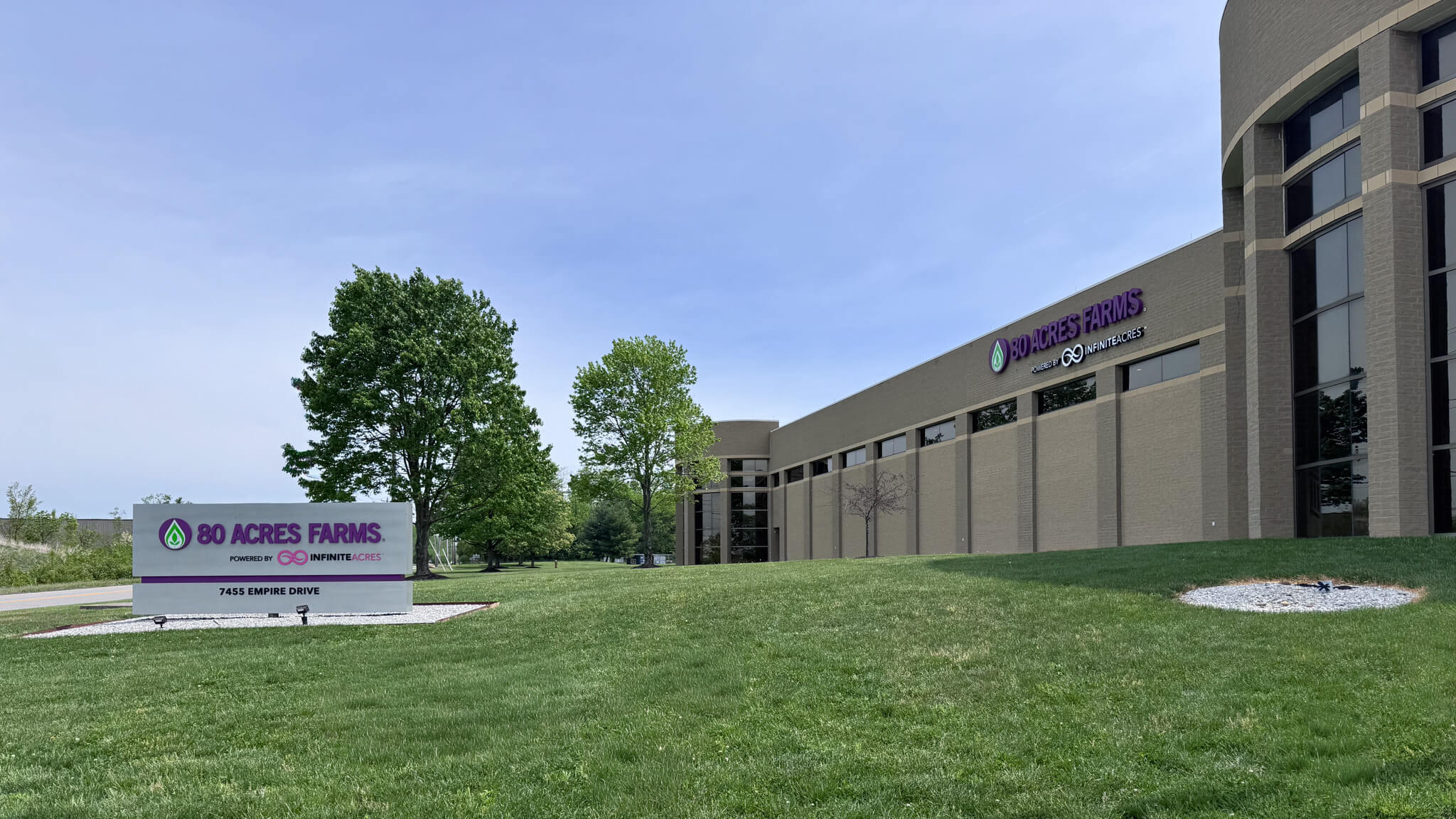
Eine Fertigung ohne Gedächtnis
Indoor Farming sieht nach Landwirtschaft aus, funktioniert aber wie eine Fabrik. Die Ware läuft über Verpackungs- und Verarbeitungslinien, die Durchsatzziele erreichen müssen, und jeder Stillstand kostet echte Zeit und echtes Produkt. Das Problem: 80 Acres Farms hatte keine verlässliche Möglichkeit zu sehen, was an diesen Linien gerade tatsächlich passierte.
Stillstandszeiten wurden so erfasst, wie viele Hersteller es bis heute tun: auf Papier. Eine Linie stand still, und irgendwann schrieb jemand auf, warum, wenn überhaupt. Kurze Stopps, die Minuten statt Stunden kosten, landeten fast nie auf einem Blatt. Das Ausfüllen kostete Zeit, die beim Betrieb der Linie fehlte, deshalb wurde es oft ausgelassen. Und selbst wenn nicht, sagte die Aufzeichnung mehr darüber aus, wer gerade einen Moment Zeit zum Schreiben hatte, als darüber, was tatsächlich schiefgelaufen war.

Alex Tombelli, Lead CI Specialist, bringt es auf den Punkt:
„Wir standen also vor einem mühsamen Kampf um Daten, die bestenfalls mittelmäßig waren. Das war das Problem, das wir lösen wollten, bevor Factbird kam.“ (Alex)
Außerdem verhielten sich die Linien unterschiedlich. Mehrere wurden manuell getaktet, das heißt, das Arbeitstempo hing vollständig vom jeweiligen Team des Tages ab. Ohne eine einheitliche Aufzeichnung in Echtzeit ließ sich nicht erkennen, ob eine langsame Schicht ein schlechter Tag oder die neue Normalität war, und es gab keine gemeinsame Sprache, in der Bediener und Führung überhaupt über Leistung sprechen konnten. 80 Acres Farms brauchte nicht mehr Papierkram. Das Unternehmen brauchte eine Möglichkeit, Stillstandscodes, Maschinentakt und Durchsatz automatisch zu erfassen, in einer Form, der die Fertigung und die Verwaltung gleichermaßen vertrauen.
Einsatzbereit noch vor Ende der Woche
80 Acres Farms brauchte keine lange, schleppende Einführung und musste auch keine durchstehen. Sobald das Team geklärt hatte, welche Sensoren bereits an den Maschinen verbaut waren, lieferte Factbird die fehlende Hardware, einen passenden Splitter, der innerhalb von 48 Stunden eintraf.
„Die Inbetriebnahme war vor allem genau so, wie ich es mir erhofft hatte. Sie war sehr einfach.“ (Alex)
Dieses Tempo gab den Ton an, war aber nicht der eigentliche Punkt. Der echte Wandel begann, als die Daten flossen und die Menschen in der Fertigung damit arbeiteten.
Von subjektiven Meinungen zu objektiven Fakten
Sobald Factbird Stillstände, Maschinentakt und Durchsatz automatisch erfasste, hatte 80 Acres Farms etwas, das bisher fehlte: eine einheitliche, vertrauenswürdige Aufzeichnung dessen, was an der Linie passierte, in Echtzeit verfügbar statt nachträglich rekonstruiert. Gerade an manuell betriebenen Linien konnten Bediener dadurch endlich ihr eigenes Tempo direkt gespiegelt sehen, statt raten zu müssen, wie die Schicht läuft.
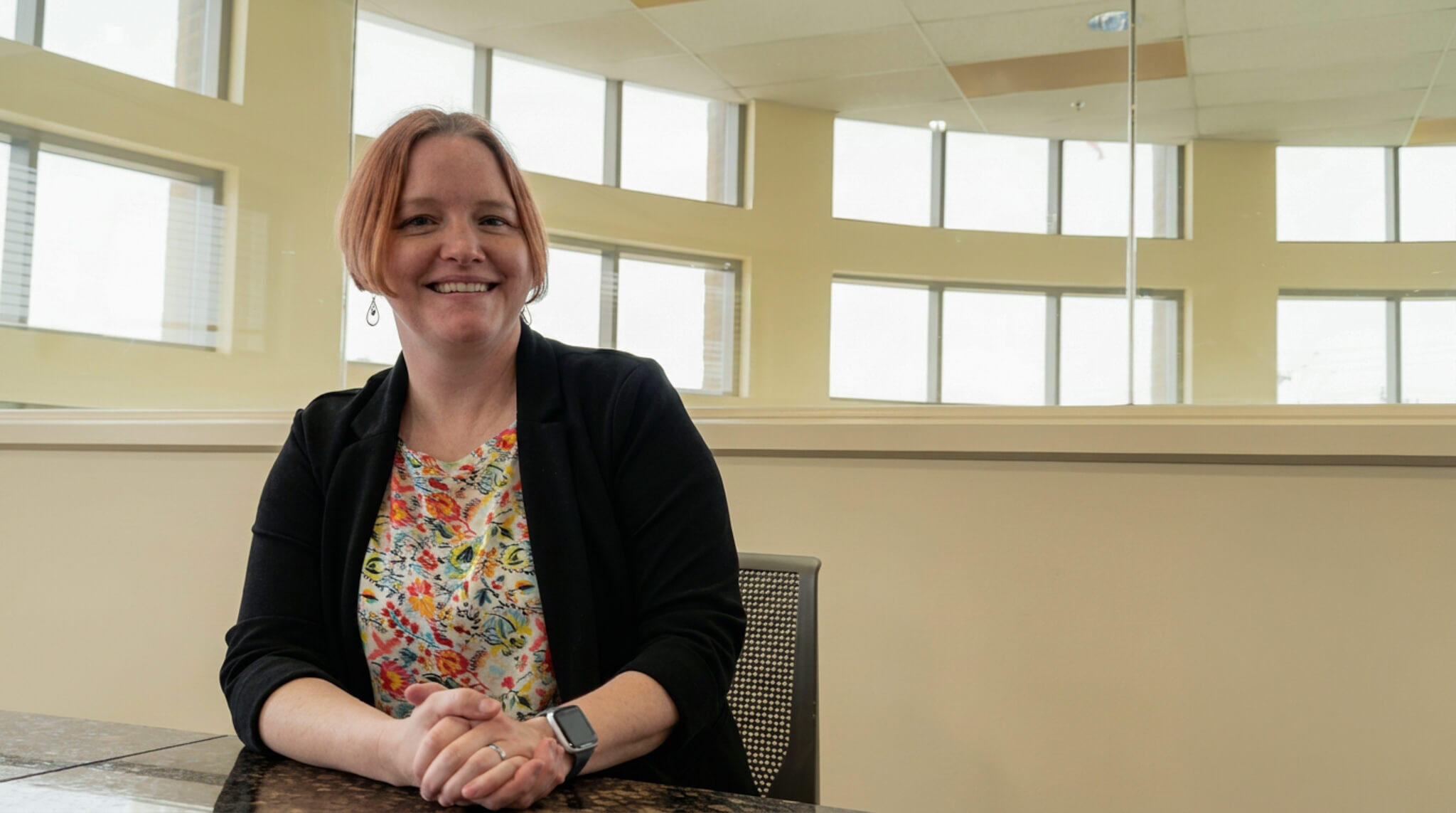
Maggie Parker, Director of CI, hat erlebt, wie sich dadurch die Entscheidungsfindung verändert hat:
„Es war nicht mehr nur eine subjektive Einschätzung, was an der Linie los ist, sondern es waren echte Daten. So können wir datenbasierte Entscheidungen treffen.“ (Maggie)
Diese Unterscheidung zwischen subjektiv und objektiv ist für Maggie die größte Veränderung, die Factbird in die Fertigung gebracht hat. Entscheidungen, die früher auf der Einschätzung eines Schichtleiters beruhten, stützen sich heute auf eine Zahl, die alle sehen und auf die sich alle einigen können.
Wie eine skeptische Belegschaft das System tatsächlich nutzt
Ein neues System zahlt sich nur aus, wenn die Menschen an den Linien es auch nutzen. 80 Acres Farms setzte dafür auf zwei Dinge. Das erste war Sichtbarkeit: Monitore direkt in der Fertigung, auf denen Bediener ihre eigenen Stillstandseinträge in Echtzeit sehen und die Ergebnisse ihrer Arbeit sofort gespiegelt bekommen, statt darauf vertrauen zu müssen, dass die Daten irgendwo sinnvoll ankommen. Das zweite war die Sprache. An mehreren Standorten von 80 Acres arbeiten zweisprachige Teams, und die spanische Sprachversion von Factbird erwies sich als genauso wichtig wie die Hardware selbst.
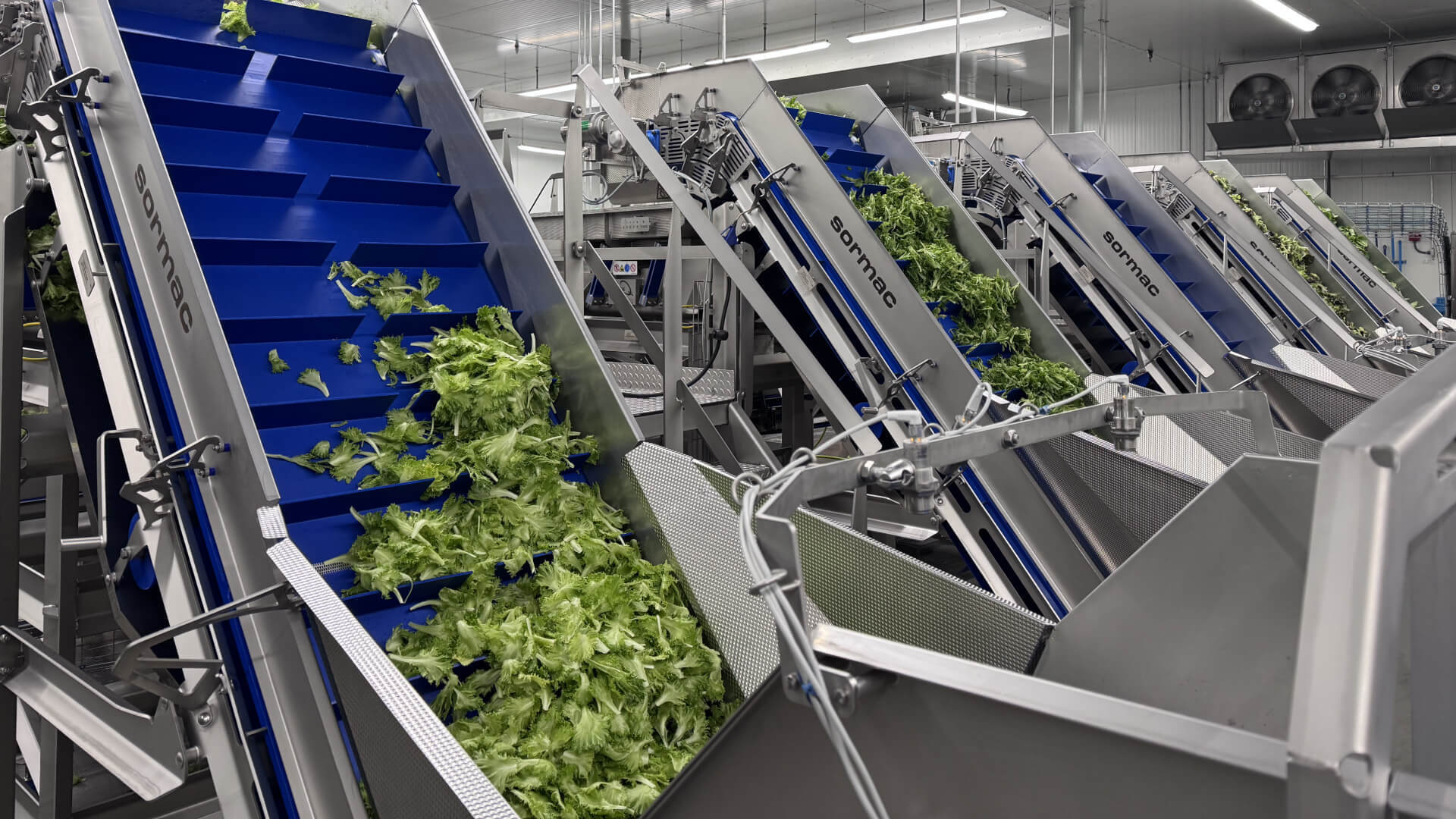
„Am meisten hat bei der Akzeptanz geholfen, dass wir Monitore in die Fertigung gebracht haben. Einige unserer Standorte sind außerdem zweisprachig, und die spanische Übersetzung war für diese Standorte eine enorme Hilfe, damit auch diese Teams das System annehmen.“ (Maggie)
Durch beides war die Nutzung keine Pflichtübung mehr, sondern etwas, hinter dem die Bediener aus eigener Überzeugung standen.
Was sich verändert hat und was als Nächstes kommt
Das deutlichste Zeichen, dass sich Factbird durchgesetzt hat, ist das, was die Teams bei 80 Acres heute fordern. Echte Daten haben die Erwartungen gehoben, und dieser Appetit reicht inzwischen weit über die ursprüngliche Einführung hinaus.
„Viele fragen uns, wann wir die nächste Factbird-Linie einrichten können. Der Wunsch nach mehr ist einfach da, und das ist spannend. Wir beginnen bereits, das Konzept zu beweisen, und die Betriebsteams wollen immer mehr davon.“ (Maggie)
Fazit
80 Acres Farms brauchte kein kompliziertes System. Das Unternehmen brauchte Produktionslinien, die in Echtzeit die Wahrheit zeigen, in einer Form, auf die sich Fertigung und Verwaltung einigen können. Eine schnelle Installation und ein Bildschirm in der Fertigung haben diesen Teil erledigt. Der größere Wandel, eine Werkskultur, die auf Fakten statt auf Vermutungen basiert, folgte daraus.
„Na ja, ich meine, wir gewinnen.“ (Alex)
.svg)