Wie Snellman die OEE mit Echtzeitdaten um 15,7 % steigerte
Ein solides Fundament und der Bedarf an Echtzeit-Transparenz
Snellman ist ein Familienunternehmen aus Pietarsaari mit über 70 Jahren Erfahrung in der Herstellung von Aufschnitt und Fleischwaren.
Bevor Snellman auf Factbird zukam, nutzte das Unternehmen ein MES, um Stillstände zu erfassen und nachzuverfolgen. Für die Erfassung reichte das, doch es fehlte die gewünschte Echtzeitsicht und ein einfacher täglicher Ablauf, an den sich die Teams dauerhaft halten.
Genau hier kommt es auf Reaktionszeit und Routinen an.
Denn in der Produktion ist das Timing alles. Kommt das Feedback erst nach der Schicht, können Sie zwar noch einen Bericht schreiben, aber den Tag nicht mehr steuern. Snellman wollte Echtzeitdaten, damit die Teams ihre Leistung sehen, solange sie noch etwas bewirken können, und damit die Verbesserungsarbeit sofort an der Linie beginnen kann. Außerdem sollten mehr Menschen faktenbasiert arbeiten, statt sich auf eine kleine Gruppe zu verlassen, die die Zahlen von gestern für alle anderen aufbereitet.
Von Anfang an konzentrierte sich Snellman auf drei Dinge: mehr Output, weniger Ausschuss und Entscheidungen auf Basis von Daten, denen die Menschen vertrauen.
In dieser Art von Produktion hängen diese drei Ziele eng zusammen. Wer sie bewegt, bewegt auch die Wirtschaftlichkeit. Output, Ausbeute und Verschwendung wirken sich direkt auf die Bruttomarge aus, und wenn Probleme nicht früh genug sichtbar werden, haben kleine Verluste Zeit, sich aufzusummieren.
Worauf es wirklich ankam
Große Technologieprogramme verfehlen die Erwartungen häufiger, als die meisten Führungskräfte denken. Eine Studie der Boston Consulting Group aus dem Jahr 2024 ergab, dass nur 30 % der Unternehmen die Erwartungen an Zeitplan, Budget und Umfang vollständig erfüllen.
Produktionsteams müssen zudem die Haltung „Never change a running system“ hinter sich lassen und sich mit kleinen, schnellen Verbesserungen anfreunden. Das ist schwer, wenn sich ein neues System wie zusätzliche Arbeit mit unklarem Nutzen anfühlt.
Der eigentliche Test ist die tägliche Routine. Wenn in der Produktion viel los ist, wird die Erfassung nachlässig. Die Datenqualität leidet, das Vertrauen in das System schwindet, und Verbesserungsgespräche geraten ins Stocken, weil über die Zahlen diskutiert wird statt über den Prozess.
Bei Snellman haben wir diesen Einbruch eingeplant, bevor er überhaupt eintreten konnte.
Dino Redzepovic, Customer Success Manager bei Factbird, leitete ein zweitägiges Coaching mit Fokus auf die Verhaltensseite der Veränderung. Wie „gutes Erfassen“ in der Praxis aussieht, welche Routinen es rund um die Daten braucht und was jede Rolle davon hat, damit sich der Aufwand lohnt. Bediener, Techniker, Führungskräfte und alle, die die Verbesserungsarbeit vorantreiben, brauchten dieselben gemeinsamen Erwartungen.
„In diesen ersten beiden Tagen ging es um Gewohnheiten. Wenn sich die Teams nicht einig sind, wie erfasst wird und wie die Daten genutzt werden, hat man am Ende Zahlen, denen niemand vertraut. Wir haben dafür gesorgt, dass jede Rolle sieht, was sich in ihrem Arbeitstag ändert, wenn das Feedback in Echtzeit kommt und verlässlich ist. Als das angekommen war, war auch die Akzeptanz da.“ (Dino Redzepovic, Customer Success Manager bei Factbird)
Den Rest erledigte die Unternehmenskultur von Snellman. Das Team behandelte die Einführung als operative Aufgabe, nicht als bloße Softwareinstallation. Die Beteiligten waren engagiert und neugierig. Auch den wenig glamourösen Teil nahmen sie ernst. In der Praxis hieß das: sich darauf einigen, was die Daten bedeuten, Routinen festlegen, die im Alltag Bestand haben, und den Umfang realistisch halten, bevor erweitert wird.
Was sich mit Factbird in der Fertigung verändert hat
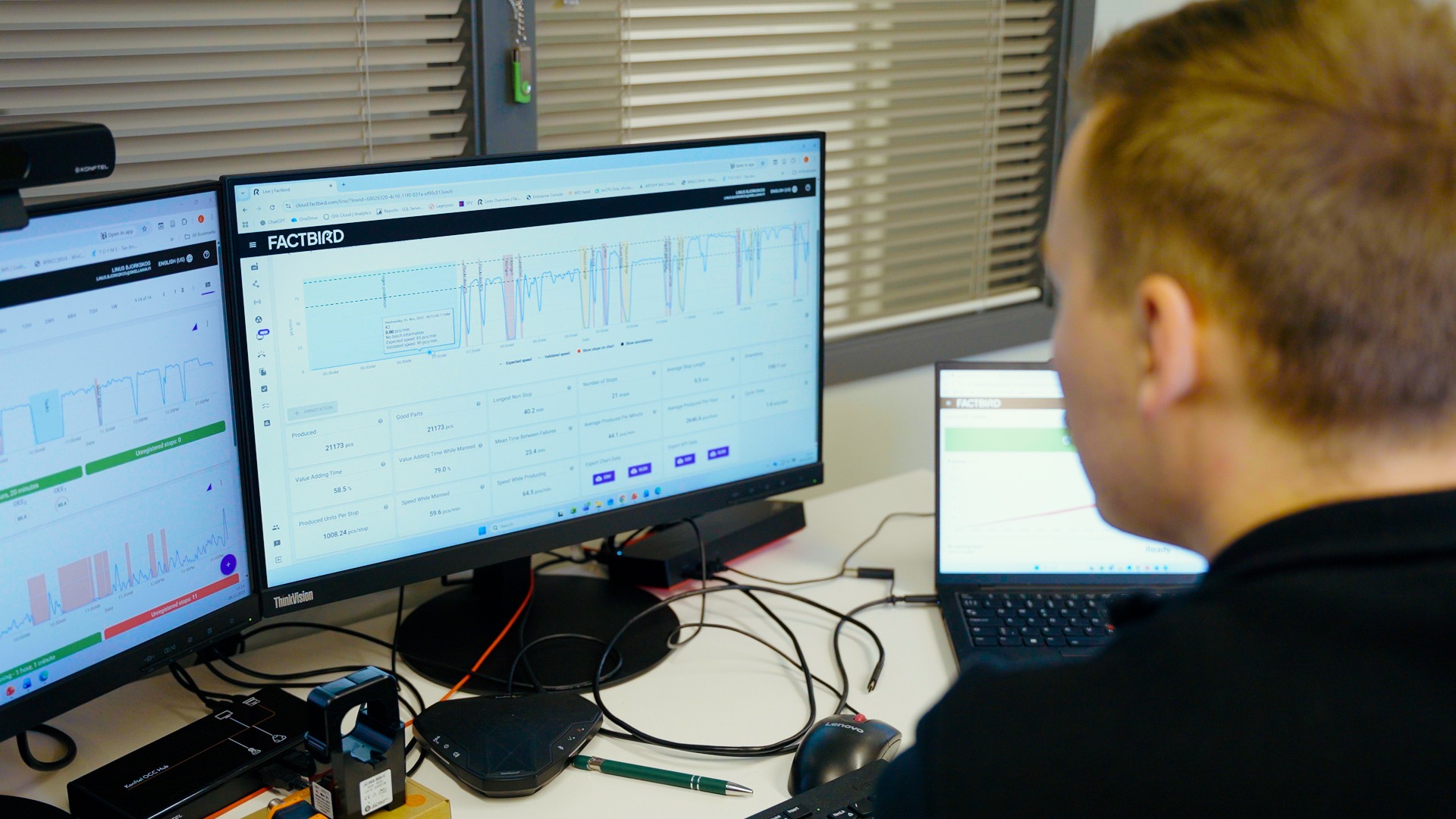
Snellman hatte bereits eine Möglichkeit, Stillstände und Produktionsereignisse zu erfassen. Das Problem war, was danach geschah. Entweder kamen die Daten zu spät, um nützlich zu sein, oder es kostete an einem hektischen Tag zu viel Aufwand, sie korrekt zu halten.
Mit Factbird wurden aus denselben Ereignissen Echtzeit-Rückmeldungen. Und zwar solche, die erscheinen, während die Linie noch läuft und noch Zeit bleibt, etwas zu unternehmen.
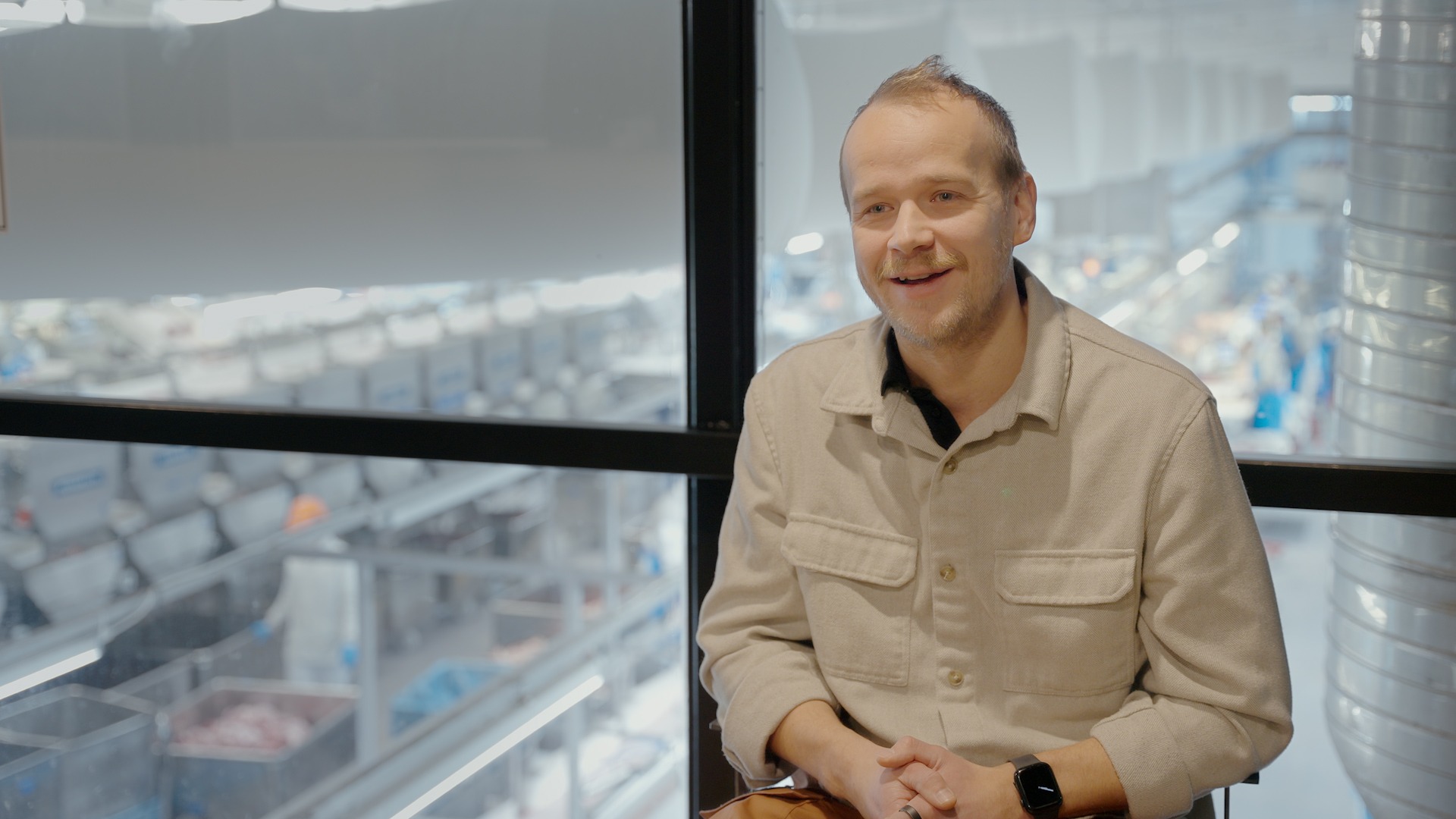
Das zeigt sich deutlich daran, wie Ronnie Granlund, Production Director bei Snellman, über Factbird spricht.
„Es ist einfach zu implementieren, einfach zu bedienen, und unsere tägliche Arbeit wird leichter, wenn wir die Daten sofort bekommen. Außerdem ist es ein sehr wichtiger Teil davon, wie wir unsere Werkzeuge weiterentwickeln, um mehr Fakten als Grundlage für unsere Entscheidungen und Verbesserungen zu haben.“ (Ronnie Granlund, Production Director bei Snellman)
Der Satz über die tägliche Arbeit ist der Kern. Wenn das Feedback rechtzeitig kommt, können die Teams nachsteuern, solange die Schicht noch läuft.
Damit die Routine auch unter Druck hält
Eine schnelle Installation klingt für alle gut. Die Frage ist, ob die Routine auch dann hält, wenn die Produktion unter Druck gerät.
Werke können ein neues System nicht in aller Ruhe einführen. Die Teams müssen es bei laufender Produktion tun, während alle viel zu tun haben und Prioritäten konkurrieren. Deshalb entscheidet die Benutzerfreundlichkeit darüber, ob die Erfassung konsequent bleibt, wenn der Reiz des Neuen verflogen ist.
Fühlt sich ein Ablauf schwerfällig an, lassen Menschen Schritte aus. Die Datenqualität leidet, und das Vertrauen schwindet.
Deshalb ist Ronnies Hinweis auf Geschwindigkeit und die Schulung der Bediener so wichtig. Eine schnelle Installation verschafft den Start. Schulung und Gewohnheiten sorgen dafür, dass die Daten sauber bleiben und zu Ergebnissen führen.
„Eines der wichtigsten Dinge ist die sehr schnelle Installation. Wenn alles vorbereitet ist, haben Sie die Daten in ein paar Stunden. Das System läuft, und dann müssen Sie natürlich die Bediener für die Erfassung schulen und so weiter. Aber ich denke, wir sind bisher sehr zufrieden damit, wie sich Factbird bewährt hat.“ (Ronnie Granlund, Production Director bei Snellman)
Echtzeitdaten machen einen enormen Unterschied. Die Wirkung wächst, wenn die Menschen lernen, wofür sie sie nutzen können.
Die Instandhaltung im Fokus halten
Neue Systeme scheitern oft, weil sie diejenigen belasten, die das Werk am Laufen halten. Die Instandhaltung wird in zusätzliche Aufgaben, zusätzliche Fehlersuche und zusätzliche „Kannst du mal eben“-Anfragen hineingezogen. Vorbeugende Instandhaltung rückt in den Hintergrund, und vermeidbare Probleme tauchen auf. Das Werk zahlt dafür einen hohen Preis: zuerst durch zusätzliche Stillstandszeiten, dann durch sinkende Motivation.
Linus Björkskog, Process Developer bei Snellman, beschreibt die Einführung von Factbird ganz nüchtern.
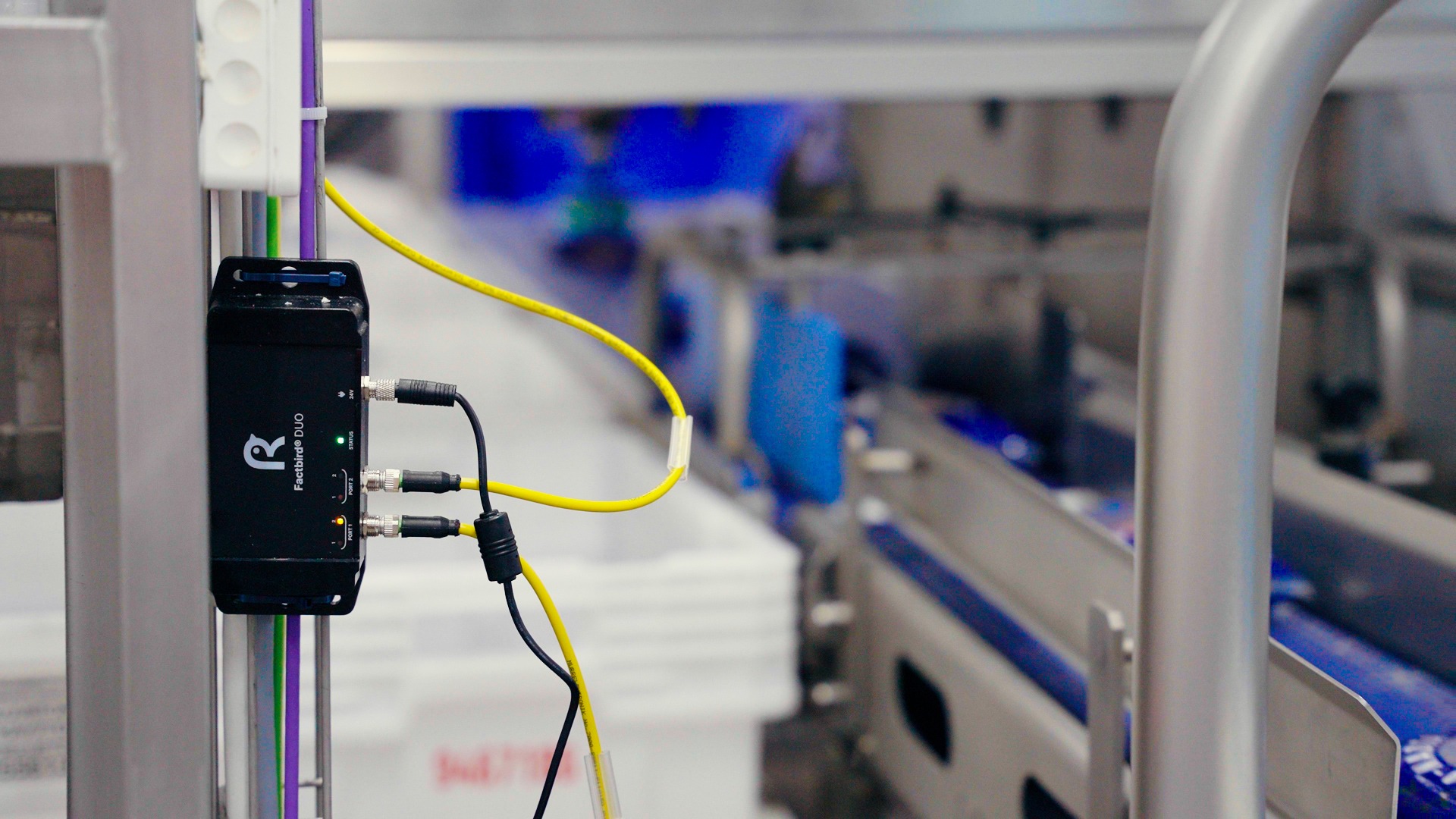
„Es ging sehr einfach und schnell. Ein paar Linien am Tag waren problemlos machbar, und die Instandhaltung konnte trotzdem ihrer normalen Arbeit nachgehen.“ (Linus Björkskog, Process Developer bei Snellman)
Dieses letzte Detail wiegt schwerer, als es scheint. Wird die Instandhaltung in zusätzliche Verwaltung und Fehlersuche hineingezogen, bleibt die vorbeugende Arbeit liegen, und das ganze Werk zahlt den Preis. Kann sie weiter das tun, was sie am besten kann, verläuft die Einführung deutlich reibungsloser.
Ergebnisse nach sechs Monaten
Nach der Einführung von Factbird erreichte Snellman:
- +15,7 % Steigerung der OEE
- 29 % mehr Output
Die Zahlen sind beeindruckend und im Kontext zugleich glaubwürdig, denn sie sind das Ergebnis einer sehr bewussten und bodenständigen Transformation.
Snellman hat die Daten näher an die Arbeit gebracht. Stillstände wurden so erfasst, dass die Menschen es im Alltag durchhalten konnten. Das Feedback kam früh genug, damit die Teams noch während der Schicht nachsteuern konnten. Genau daraus entsteht Dynamik: klare Fakten, weniger Diskussionen und schnellere Umsetzung.
Die nächsten Ziele
Snellmans langfristige Ausrichtung geht über eine KPI-Anzeigetafel hinaus. Das Ziel ist eine Produktionsumgebung, in der es leichtfällt, das Richtige zu tun, auch wenn der Tag hektisch ist.
Das Unternehmen baut eine Arbeitsweise auf, in der die Signale klar sind und den Daten vertraut wird. Abweichungen werden früh sichtbar, und Verbesserungsarbeit wird zur gemeinsamen Sache des ganzen Teams über alle Rollen hinweg.
Auch der Ausschuss gehört zu dieser Ausrichtung. Gemessen wird er noch nicht, und das ist in Ordnung. Entscheidend ist, dass das Fundament steht, um es richtig zu machen. Wenn den Produktionsfakten vertraut wird und es einen festen Rhythmus gibt, auf sie zu reagieren, wird die Messung des Ausschusses zum logischen nächsten Schritt.
Fazit
Die besten Werke gewinnen, wenn die richtigen Daten die richtigen Menschen rechtzeitig erreichen und die Gewohnheiten rund um diese Daten stark genug sind, um auch an einem hektischen Tag zu halten.
Snellman hatte einen klaren Grund für die Veränderung. Factbird brachte ein praxistaugliches System und ein sorgfältiges Onboarding mit, das die Realität von Bedienern und Instandhaltung respektierte. Diese Kombination verschaffte Snellman einen fliegenden Start, und die Ergebnisse folgten.