The reporting tax: why slow data is costing you decisions
Most plants have decent data. The problem is the gap between when something happens and when a decision gets made. Manual reporting widens that gap every cycle.

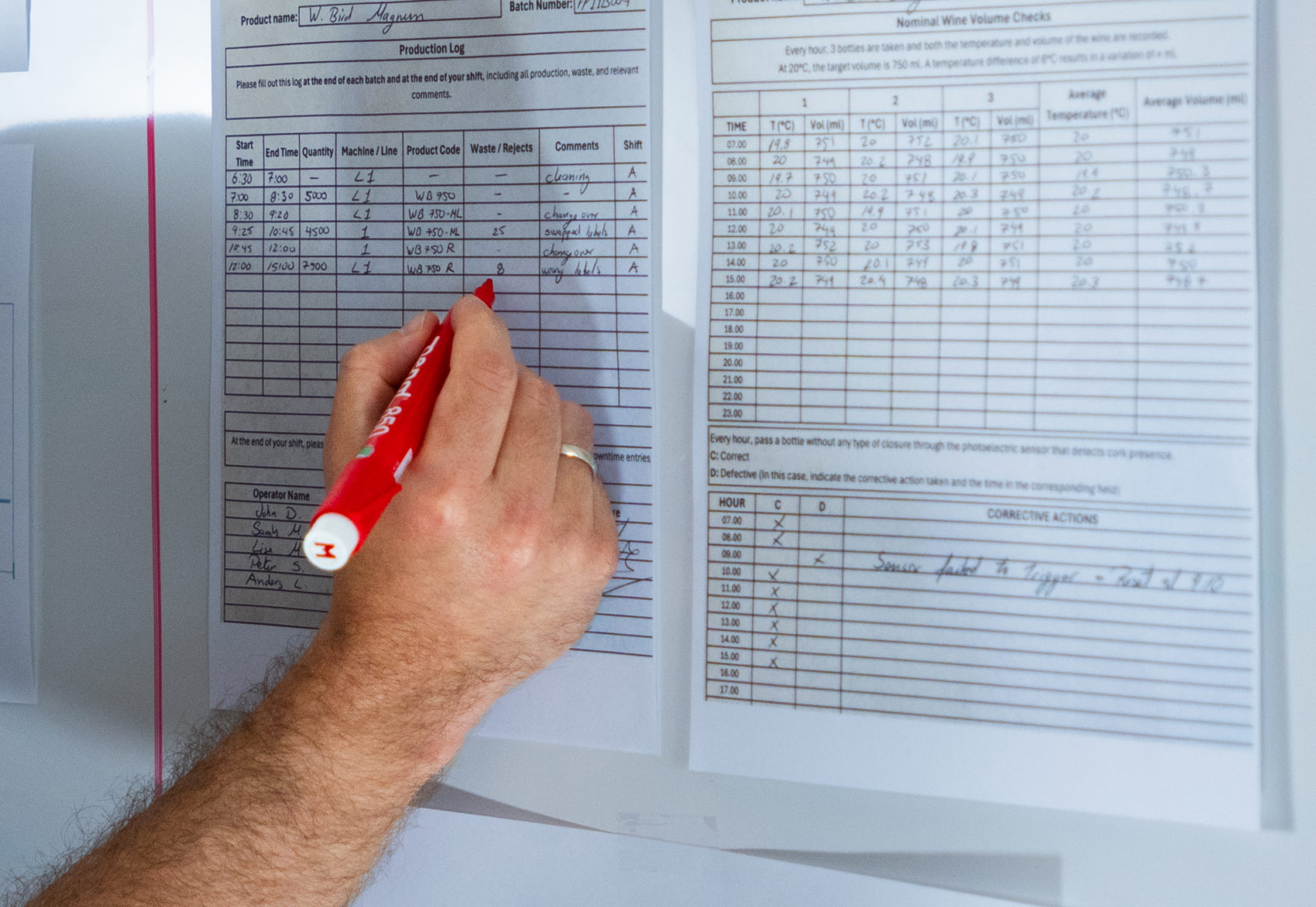
Every manufacturing site runs on some version of the same routine. A shift ends. Someone pulls numbers from the system, cross-references a whiteboard, fills in a spreadsheet, and sends it up the chain. By the time the report lands in an inbox, the line has already moved on, and the shift is history. Whatever problem was flagged may have compounded and made things worse, or just disappeared. And nobody knows which.
This happens at good plants, with capable people, real data, and genuine intent to improve. The reporting part isn’t anyone’s fault. It simply breaks down because it was designed for a world where collecting data was the hard part. Now, that world is gone.
The hidden cost isn’t the time spent building reports
If you ask a production manager how long weekly reporting takes, they’ll probably give you a range. Two hours, half a day, sometimes more. The number might be accurate, but it understates the actual cost.
The real problem is what happens between the data arriving and when a decision is being made. Reports built manually and from multiple sources will carry estimates and assumptions. KPIs might also have different definitions at different sites, which then creates disagreements about the numbers before anyone can start to solve the problems behind them. Shift summaries that arrive the next morning might describe something that doesn’t even exist anymore. And when people aren’t confident in the data, they won’t commit to anything. The results are slowed-down meetings, deferred actions, and seeing the exact same issues come back the following week.
That’s the true reporting tax. The important decisions that get delayed or become ineffective because information arrived too late, in the wrong form, or was contested and argued over before anyone acted on it. It’s not just the hours lost trying to get your hands on the numbers.
Data without structure is just adding noise and extra steps
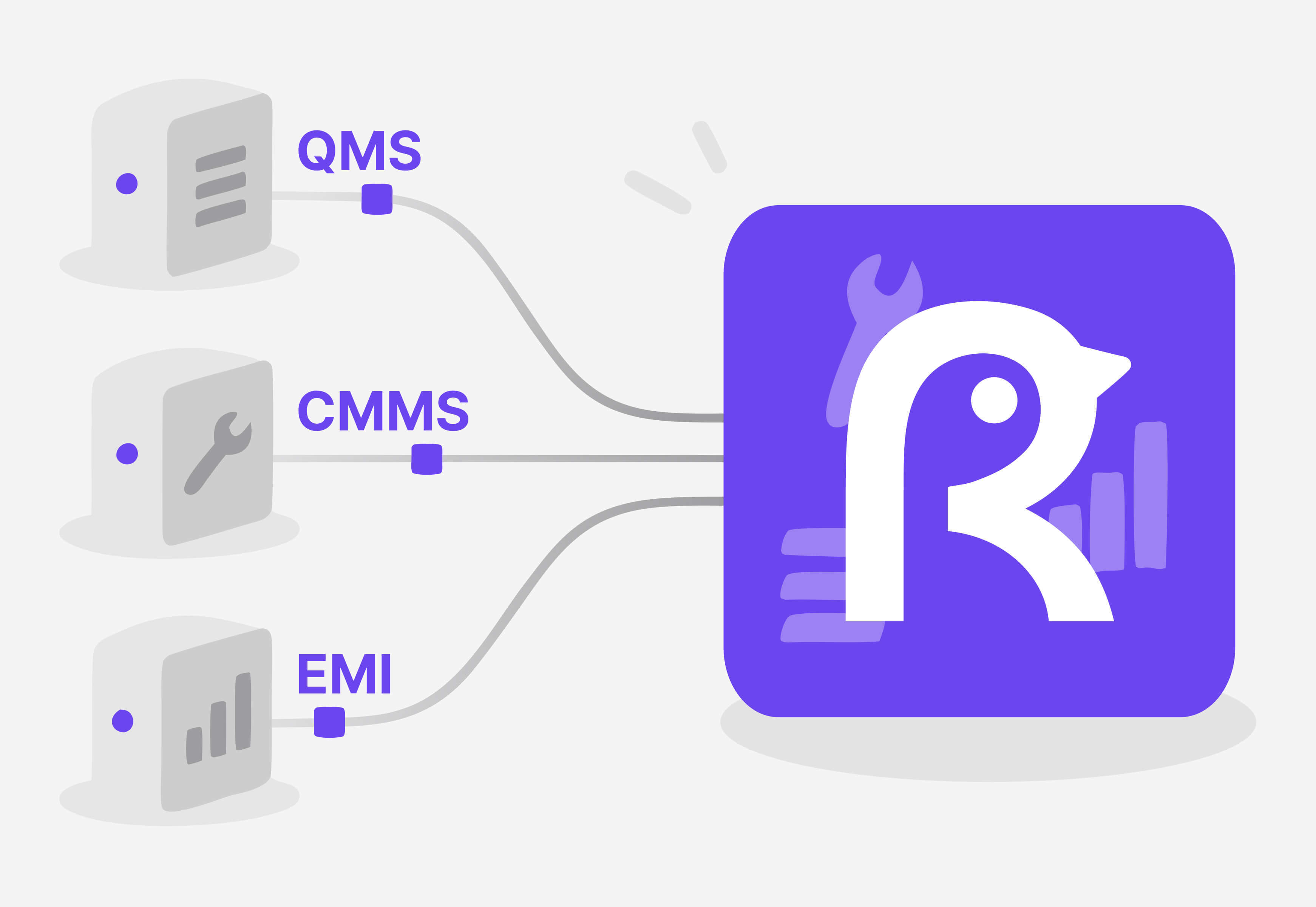
A common problem here is how the data is organized. Live production figures sit in one system, but maintenance uses a different one for their registration. Quality records are written down on paper or in another tool, separate from the rest. When reporting is manual, the person building the report becomes yet another integration layer, stitching sources together each time. Processes like this are impossible to scale as they introduce variation every time someone does things in a slightly different way.
The result is that the same plant can produce three different OEE numbers depending on who ran the report and how they defined the inputs. When leadership sees one figure and the plant manager reports another, the first part of any performance review is spent reconciling the data rather than deciding and acting on it.
AI tools are starting to appear in manufacturing conversations, and they can be genuinely useful. They’re particularly great at pattern recognition, early detection of losses, surfacing issues that would take an analyst much longer to find. As promising as it is, AI is also only as reliable as the data it works from. When fed inconsistent inputs, you will just get confident-sounding answers that are built on a shaky foundation. Standardized, automated reporting is what makes AI-assisted analysis trustworthy, and that holds whether you’re actively building toward it, or simply trying to trust the numbers in this week’s review.

Where the reporting lag hits hardest
The shift handover is the most severe version of this problem. Everything that happened over the last eight or twelve hours needs to transfer cleanly to the incoming crew, in minutes, before production continues.
When that transfer relies on a verbal briefing, a paper log, or a spreadsheet filled in under pressure, critical context gets lost. The incoming shift doesn’t know which issues the previous team had already diagnosed. They start rediscovering problems that were found hours ago. Maintenance gets called to investigate something with a known root cause. A quality signal noticed near the end of a shift goes unmentioned, and the next crew runs at full production before anyone catches it.
According to research from the American Fuel & Petrochemical Manufacturers, shift handovers account for less than 5% of operational time yet are linked to 40% of plant incidents. That ratio says something important about where operational continuity actually breaks down.
An automated shift-end report changes this. The incoming crew arrives to a summary generated as soon as the shift is over: what ran, what stopped, how long, where the losses were. Everyone starts from the same picture and won't have to deal with any qualified (or unqualified) guesses.
The right report for the right person, built once
Removing the manual work from the reporting loop is where the real gain is. When reports are built once and delivered automatically, a few things change. Shift leaders get a summary the moment a shift ends, while the context is still fresh and actions are still possible. Plant managers have a consistent weekly view across every line without having to dig through spreadsheets. Leadership receives a cross-site summary that uses the same KPI definitions everywhere, so benchmarking between plants reflects real performance differences rather than measurement differences.
Each of those roles gets precisely what they need: a report shaped around the decisions they have to make, with the right level of detail at the right moment. That’s what the customization earns you.
And when that report auto-delivers on a schedule, the conversation in the meeting room shifts. Instead of starting with “let me pull the numbers,” it starts with the numbers already in front of everyone. The meeting becomes a decision meeting rather than an exercise in data-reconciliation, and that difference in how a room spends its time adds up quickly.