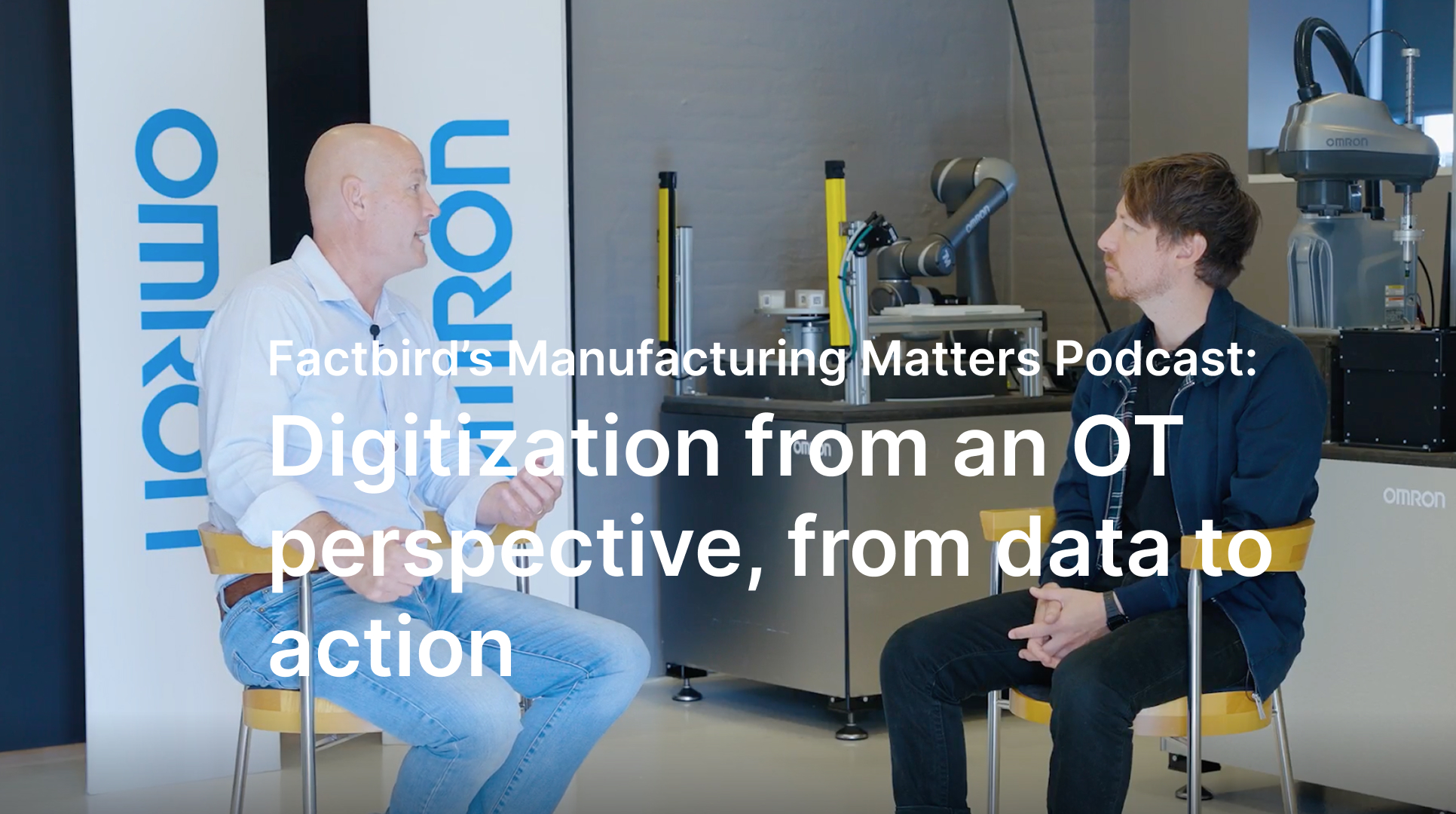
Digitalisierung aus OT-Sicht: von Daten zu Taten
Manufacturing Matters S02E06
Mit Claus Kjelgaard von Omron
Veröffentlicht am 16. April 2026


.svg.png)
Über Digitalisierung sprechen Hersteller überall, doch das Thema wird manchmal ziemlich unscharf. In dieser Folge von Manufacturing Matters haben wir uns mit Claus Kjelgaard in der dänischen Zentrale von Omron zusammengesetzt, um eine bodenständige Sicht aus der Perspektive der Operational Technology (OT) zu bekommen. Wir haben darüber gesprochen, was Digitalisierung in der Praxis bedeutet und welchen Nutzen Hersteller daraus ziehen, wenn sie aus ihren Produktionsdaten konkrete Maßnahmen ableiten.
Falls Sie Omron noch nicht kennen, hier die Kurzfassung: Omron ist ein globales Technologieunternehmen, gegründet 1933. In Dänemark ist Omron in mehreren Bereichen tätig, darunter die industrielle Automatisierung, wo das Unternehmen Hersteller und Maschinenbauer mit Automatisierungsprodukten und Anwendungs-Know-how unterstützt. Das Automatisierungsportfolio umfasst Sensorik, Antriebstechnik, Steuerung, Bildverarbeitung, Sicherheitstechnik und Robotik, abgestimmt aufeinander als umfassende, integrierte Systeme.
Als erfahrener Spezialist für Automatisierungsplattformen ist Claus der ideale Gast für dieses Thema, denn er arbeitet genau dort, wo Digitalisierung gelingt oder scheitert. Er ist seit rund 30 Jahren in der industriellen Automatisierung tätig und arbeitet mit Herstellern und Maschinenbauern daran, wie Anlagen konstruiert, vernetzt und betrieben werden. In den letzten Jahren hat er sich auf die praktischen Schritte konzentriert, mit denen aus „Wir haben Daten“ ein „Wir haben die Leistung verbessert“ wird.
Wie Digitalisierung aus OT-Sicht aussieht
Im Gespräch unterteilt Claus die Digitalisierung in drei praktische Ebenen, jede mit einem eigenen Zweck.
1) Automatisierung und Konnektivität auf Maschinenebene
Das ist das Fundament. Moderne Produktion braucht flexible Anlagen und schnelleres Umrüsten, und dafür sind Maschinen nötig, die vernetzt, integriert und softwarefähig sind.
2) Datenerfassung und Analyse für mehr Effizienz
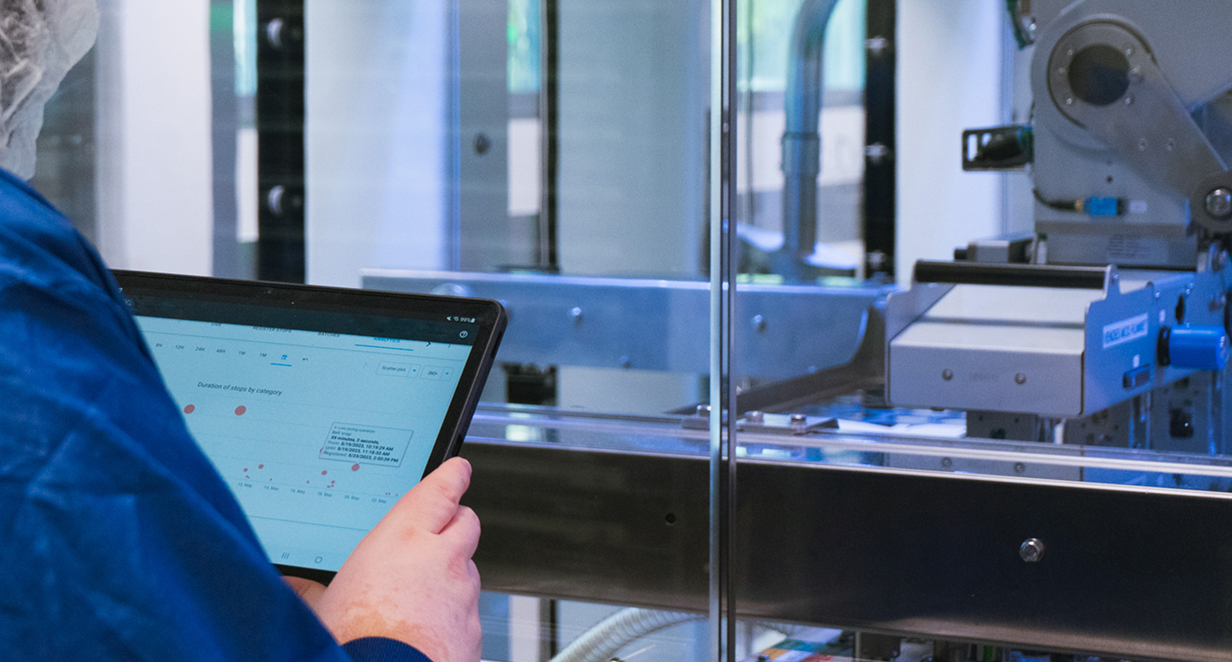
Hier setzen viele Hersteller derzeit an. Nicht unbedingt, weil das Erfassen von Daten etwas Neues wäre, sondern weil sich die Werkzeuge und Abläufe, mit denen aus Rohdaten etwas Nützliches wird, deutlich verbessert haben.
„In Fabriken gibt es Leute, die so ein ‚gutes Gespür für die Dinge‘ haben, aber das wird nicht ewig so funktionieren. Man braucht die Daten.“ (Claus Kjelgaard, Omron)
3) Digitale Zwillinge und virtuelle Umgebungen
Auch digitale Zwillinge sieht Claus als Teil der Digitalisierungs-Roadmap. Er beschreibt mehrere „Schleifen“, von der Produktentwicklung und dem Testen von Software bis zur Echtzeit-Spiegelung von Maschinen. Für viele Hersteller wird das in den nächsten fünf bis zehn Jahren noch an Bedeutung gewinnen.
Ein Weg in vier Schritten, der die Digitalisierung praxisnah hält
Wenn es von Definitionen zur Umsetzung geht, schlägt Claus eine einfache Abfolge vor:
- Erfassen
- Austauschen
- Visualisieren und analysieren
- Handeln
Der letzte Schritt ist der eigentliche Sinn des ganzen Systems.
„Wenn Sie Daten einfach in eine Datenbank kippen, in eine Cloud, in Factbird oder sonst wohin, sie sich aber nicht ansehen und auf Basis von Fakten handeln, dann können Sie es vergessen.“ (Claus Kjelgaard, Omron)
1. Daten erfassen: drei realistische Ausgangspunkte
Aus OT-Sicht ist die Datenerfassung oft die erste echte Hürde. Claus skizziert drei Wege, die Hersteller typischerweise einschlagen.
- Nachrüsten: Sie statten ältere Maschinen mit Sensoren aus, um die benötigten Signale zu erfassen
- Auslesen: Sie ziehen Daten aus vorhandenen SPS, auch wenn die Maschine nicht dafür ausgelegt ist, sie sauber bereitzustellen
- Volle Kontrolle: Die Maschine basiert auf einer integrierten Automatisierungsplattform, die Ihnen von Anfang an umfassenden Zugriff auf Daten gibt
2. Daten austauschen: wo OT auf IT trifft
Sobald Rohdaten vorliegen, müssen Sie einen Weg finden, sie zuverlässig in die Werkzeuge zu bringen, die sie nutzen sollen. Hier geraten viele Projekte ins Stocken, weil man leicht unterschätzt, wie wichtig die eigentliche Arbeit an Standards, Formaten und deren Pflege ist.
Claus verdeutlicht das am Beispiel von SPS-Programmierern. Sie sind meist Experten im Maschinenbau, aber in der Regel weniger versiert, wenn es um die Pflege von Messaging-Pipelines und Payload-Formaten geht.
„Der Kollege, der das programmiert hat, ist Spezialist für die Programmierung von Maschinen. Aber vielleicht ist er kein Spezialist für MQTT-Nachrichten, JSON-Objekte und all das.“ (Claus Kjelgaard, Omron)
Im Gespräch beschreibt Claus, wie Omron an Bibliotheken und API-Ansätzen gearbeitet hat, die den Datenaustausch erleichtern, darunter auch seine eigene Arbeit an Integrationen mit Partnern wie Factbird.
3. Wann Visualisierung linien- und standortübergreifend nützlich wird
Transparenz wird deutlich wertvoller, wenn die Daten standardisiert und vergleichbar sind.
Claus erklärt, warum Cloud- und Edge-Ansätze oft attraktiv sind: Sie geben Führungskräften und Produktionsverantwortlichen eine einheitliche Sicht über Linien und manchmal auch Standorte hinweg, ohne dass sie „runter an die Maschine“ gehen müssen, um zu sehen, was wirklich passiert.
Außerdem betont er den Ansatz, eine „Best Batch“ oder „Golden Batch“ zu identifizieren und dann rückwärts zu analysieren, warum sie besser lief als die vorherige.
4. Auf Basis von Fakten handeln: wo Verbesserung tatsächlich passiert
Zum Schluss nennt er einige praktische Beispiele dafür, wie „Handeln“ aussehen kann, sobald Sie den Daten vertrauen:
- Ein wöchentliches Review mit den Bedienern, die die Maschine fahren
- Übersehene Schritte beim Umrüsten beheben
- Technische Probleme an der Anlage lösen
- Vorgelagerte Ursachen erkennen, etwa Materialien oder Verpackungskomponenten, die immer wieder Probleme verursachen
Außerdem hebt er vorausschauende Instandhaltung und Energiemonitoring als Bereiche hervor, die an Bedeutung gewinnen, getrieben von Kosten, Regulierung und der Notwendigkeit, die Energiekosten pro produzierter Einheit zu verstehen.
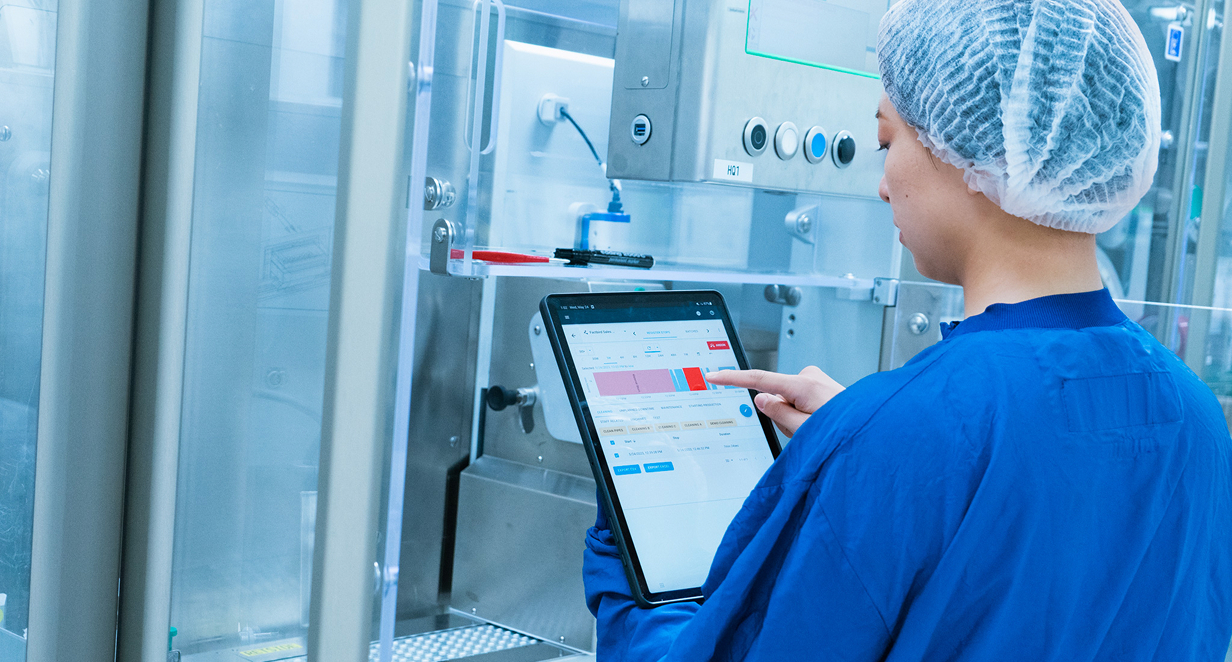
Wie führende Unternehmen Ergebnisse erzielen
Auf die Frage, was die besten Unternehmen bei der Digitalisierung anders machen, nennt Claus die Akzeptanz über alle Rollen hinweg. Die stärksten Ergebnisse entstehen, wenn die Digitalisierung nicht bei einer einzelnen Person liegt. Die eigentlichen Gewinner sind die Produktionsunternehmen, die dafür sorgen, dass auch Produktionsleiter und Schichtführer die Einführung mittragen.
„Wenn es nicht nur ein Techniker ist, der unheimlich gern ein schönes Dashboard baut, sondern verschiedene Ebenen im Unternehmen beteiligt sind, dann funktioniert es.“ (Claus Kjelgaard, Omron)
Bleiben Sie mit dem Podcast in Verbindung
Weitere Einblicke und praktische Tipps zu kontinuierlicher Verbesserung, Lean Manufacturing und anderen Branchenthemen gibt es bei Manufacturing Matters. Wenn Sie Fragen haben oder sich bestimmte Themen wünschen, schreiben Sie uns gern über LinkedIn oder per E-Mail.
Und denken Sie daran, Manufacturing Matters zu abonnieren, damit Sie benachrichtigt werden, sobald die nächste Folge auf Spotify, Apple Podcasts, YouTube, Amazon Music und anderen gängigen Podcast-Plattformen erscheint.